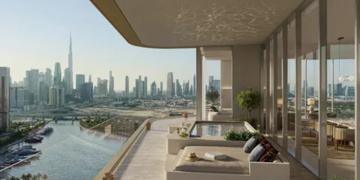



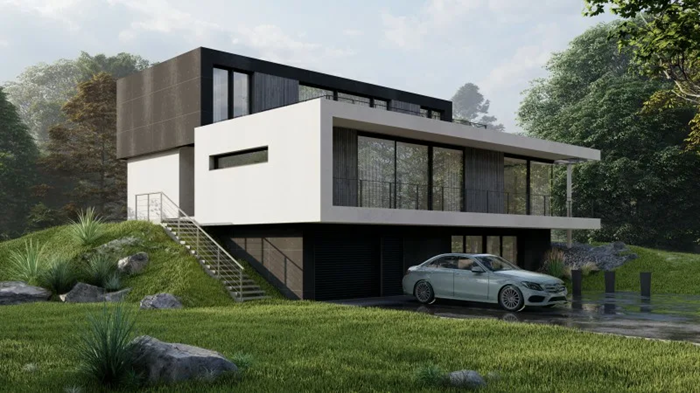
Visualization of luxury real estate in Dubai is not a “pretty picture,” but a sales and positioning tool that should convey the project’s status, the quality of the environment, and the feeling of living in a metropolitan resort.
Here, architectural accuracy and photorealism are important, as is the ability to convey value: views, privacy, service, infrastructure, and meeting the expectations of an international audience.
The Dubai market combines cutting-edge architecture, cultural diversity, and intense competition among developers. Therefore, visual materials must be structured as a system: from conceptual shots to detailed interior scenes, from daytime panoramas to the “magic” of evening light, from the overall master plan to the specific accents in the finishing touches.
Practical Tips: How to Increase the Conversion Rate of Visual Materials
A single set of renderings rarely fulfills all the requirements. It’s more effective to create a package for different stages of the funnel: presentations, landing pages, social media, brokerage materials, exhibitions, meeting rooms, and digital out-of-home.
People, cars, details: how to avoid “cheapening” a premium product
The environment in the frame should work to enhance the brand. Inappropriate human models, random cars, or excessively “noisy” crowds can visually lower the value of the product.
- Character casting: neutral elegance, correct proportions, believable poses.
- Transportation: less randomness, more in keeping with status; Avoid clutter.
- Decor: Less is more – premium photographers value space, airiness, and composition.
- Clean Frame: Remove visual clutter, leave “pauses” for perception.
Landscape and Water: The Key to a “Resort” Feeling
For many projects, the resort element is key: pools, waterfalls, beach areas, private cabanas, shade canopies, greenery, and tactile surfaces. It’s important to demonstrate the quality of the landscape and the thoughtful planning: shade in the right places, comfortable routes, private areas without visual conflict.
In this context, resort-style property visualization for developers operates as a separate discipline: it requires increased attention to water (transparency, depth, caustics), “wet” materials, vegetation (species, density, seasonality), and the infrastructure usage scenario.
Final Review Checklist Before Publication
- Consistency with the project: facades, layouts, materials, logos, navigation.
- Consistent style: color, contrast, perspective, consistent level of realism.
- Technical parameters: resolution, crops for different sites, no artifacts.
- Legal accuracy: do not use recognizable brands/objects without permission if this could create a risk.
- A clear USP: each shot should “sell” one main point, not everything at once.
High-quality visualization of luxury real estate in Dubai is a balance of architectural precision, emotional storytelling, and commercial logic. The better you manage light, context, details, and scenario, the more convincing the project will be to an investor and the faster it will transform from a concept into a desired address.
Dubai Market Specifics: How to Incorporate Status, Location, and HNWI Expectations in Visual Content
In Dubai, visualizations of luxury real estate are perceived not as mere images, but as proof of quality: the project’s status, the developer’s reputation, the quality of the surroundings, and whether it meets the expectations of HNWIs (High-Net-Worth Individuals). Therefore, content must convey not only the architecture but also the context—privacy, service, infrastructure, security, regulatory transparency, and investment logic.
The key characteristics of the market are high competition, a global audience, and a range of demand: from ultra-prime beachfront properties to branded residences in central areas and “quiet” villa communities. Visual content must quickly answer questions such as “why here?”, “what is the standard of living?”, “what is the owner’s daily life like?”, and “what is the premium paid for?”
Visualization Rules: Status, Location, Expectations
- Status without explicit statements: convey quality through materials, details, scale, ceiling heights, lighting, acoustics, engineering solutions, service areas, and private spaces (drop-off, private lobby, dedicated elevator, valet). Avoid visual overkill with luxury – HNWIs convey their level through discreet markers.
- Location as part of the product: add links to water, embankments, marinas, parks, beaches, business clusters, and cultural attractions. Clear landmarks and a realistic route logic are essential: view + distance + accessibility.
- Views and orientation: in Dubai, premium is often determined by the view (sea/palm/downtown skyline) and direction. Show different floors, viewing angles, morning/evening light, and seasonal air transparency. If the view is partially obstructed, it’s best to honestly show alternatives Perspectives rather than losing trust.
- Life scenarios instead of “empty interiors”: HNWIs buy time, comfort, and privacy. Visualize scenarios: morning on the terrace, work in the office, workout, family dinner, entertaining, access to the water, the path to the elevator and drop-off.
- Privacy and security: Emphasize architectural solutions (screens, setbacks, private courtyards, separate entrances), access control, gated areas, and isolation from noisy traffic.
- Service and branding: For branded residences, display service attributes as part of the interior and lobby (concierge, lounge, spa, owners’ club), not as advertising plaques. The emphasis is on the ownership experience.
- Realism and trust: correct proportions, believable materials, physically correct lighting, the absence of “toy-like” vegetation and unrealistic reflections. For the Dubai market, trust is a direct conversion factor.
- Cultural neutrality: avoid ambiguous images and overly provocative stylistic decisions. A universal premium aesthetic is appropriate for an international audience.
- Visual investment logic: demonstrate liquidity through layout advantages (flexibility, master bedroom, storage, maid’s room), rental convenience (separate entrance, smart home), infrastructure, and the quality of the management company. Support with figures in a table/diagram when appropriate.
- Collect a profile of the HNWI audience: residents/non-residents, family/solo, lifestyle/investor, ownership horizons.
- Package the location: 3-5 key advantages of the area + confirmation with views and routes.
- Build a “premium ladder”: entrance area > Private areas > Views > Amenities > Service.
- Check for realism: light, scale, materials, legibility of layouts, and the absence of visual promises that cannot be fulfilled.
- Reduce content to a solution: each frame addresses a specific expectation (privacy, status, convenience, liquidity).
Bottom line: Luxury real estate visualizations in Dubai should not sell “beauty,” but rather a proven quality: the project’s status, location value, and ownership experience that meets HNWI expectations. The more accurately you convey views, privacy, service, and realistic quality of execution, the greater the trust and the faster the visual content will translate into inquiries, viewings, and sales.