


When people think about interior design, they often focus on furniture, lighting, or color palettes. However, one of the most influential yet underestimated elements of any interior is wall finishing. The texture, material, and visual depth of walls play a significant role in shaping how a space feels and functions on a daily basis.
Walls as a Visual Foundation
Walls occupy the largest visual surface in most rooms. Unlike furniture, which can be easily replaced or rearranged, wall finishes tend to stay in place for years. Because of this, they act as a visual foundation for the entire interior.
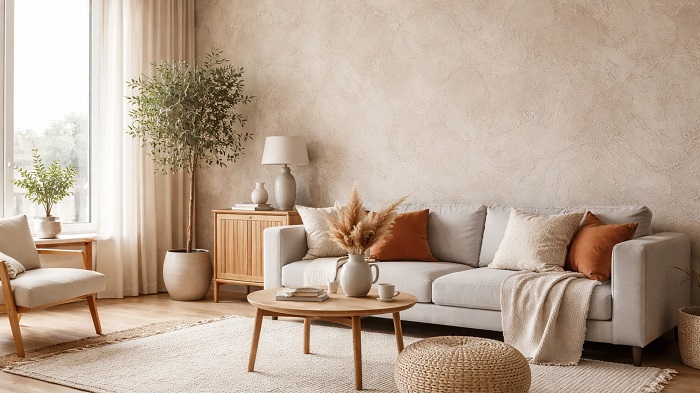
Smooth painted walls create a clean and minimalist impression, while textured finishes add depth and character. Wallpaper, decorative plasters, or panel systems can introduce subtle patterns that influence how light interacts with the room and how spacious it feels.
Texture and Perception of Space
Texture has a direct psychological impact. Matte surfaces absorb light and create a calm, intimate atmosphere, while glossy or lightly textured materials reflect light and make rooms feel more open.
In smaller spaces, carefully chosen wall textures can visually expand the room. In larger interiors, textured finishes help avoid a flat or empty feeling, making the environment more balanced and comfortable.
Practical Considerations Beyond Aesthetics
Wall finishes are not only about appearance. Durability, maintenance, and suitability for specific environments matter just as much. High-traffic areas benefit from materials that are easy to clean and resistant to wear, while bedrooms and living spaces often prioritize comfort and visual warmth.
Choosing the right finish also depends on lighting conditions, wall geometry, and the existing architectural features of the space. A thoughtful approach ensures that walls support both function and aesthetics over time.
A Thoughtful Approach to Interior Finishing
Well-designed interiors rarely rely on trends alone. Instead, they combine materials, textures, and colors in a way that feels intentional and cohesive. Walls, as the largest continuous surface, deserve the same level of consideration as any other design element.
For those interested in learning more about professional approaches to wall finishing and interior surfaces, you can learn more on this page: