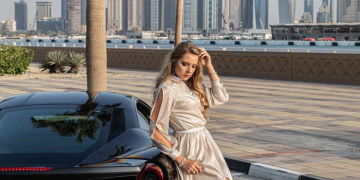




Dubai is a city of contrasts, where futuristic skyscrapers stand side by side with desert landscapes and azure beaches, so a photoshoot here easily turns into a vibrant story with a variety of moods.
Consider the purpose of the shoot (personal blog, family album, engagement, brand content), choose 2-3 locations, and decide on the style in advance: evening glamour by the skyscrapers, morning minimalism on the coast, romance on a yacht, or atmospheric shots among the dunes.
To ensure a comfortable and unhurried shoot, consider the time of day and light: dawn and golden hour will create soft shadows and pure colors, while daytime is best for interior locations or shots by the water. Prepare your outfits in a capsule (2-3 color-coordinated outfits), bring comfortable shoes for mobility, and discuss the route, posing, and references with the photographer in advance. If needed, you can book a photo shoot at lavradar.com/events to quickly coordinate the format, date, and suitable crew.
Location Selection: Desert, Old City, Skyscrapers, Beaches, and Embankments
The choice of location in Dubai directly sets the mood of the photo shoot: from the cinematic desert to the urban geometry of skyscrapers. Plan your route to combine one or two similarly themed locations in one day, rather than trying to cover everything at once – this will preserve the integrity of the images and avoid wasting time on travel.
Evaluate locations by three criteria: light (early morning or sunset is best), background (minimum of random signs and crowds in the frame), and comfort (heat, wind, sand, humidity). Also, consider footwear and a spare set of clothes: in Dubai, the contrasts between the desert and the embankment are especially noticeable.
Location and Atmosphere Ideas
The desert is the best choice for shots with a sense of spaciousness and “expensive minimalism.” For a dynamic effect, use sand dunes with pronounced texture, shoot in profile along the ridge line, and add movement to the fabric. Keep in mind that sand quickly stains hemlines and shoes, so it’s practical to bring a spare pair of shoes and a cape. Wind can be a striking tool, but will require a tighter hold on your hair and accessories.
Old towns (districts with traditional architecture, narrow streets, courtyards, and markets) create vibrant textures: plaster, wood, warm tones, and details of doors and arches. For such shots, muted tones in clothing and an emphasis on close-ups of hands, jewelry, and fabric elements work well. If you want fewer people in the frame, choose early hours and look for side passages where it’s easier to control the background.
Skyscrapers are all about scale, lines, and reflections. Look for spots where the architecture creates a “corridor” of verticals and glass creates mirrored surfaces; urban shots look stronger with contrasting images and clear silhouettes. In such locations, it’s important to think through the composition in advance: symmetry, leading lines, shooting from a low angle, and shots against the backdrop of the city’s stripes of light.
Beaches are suited to a light, airy aesthetic: soft colors, natural poses, and an emphasis on skin and the texture of the water. Choose areas with fewer sun loungers and bright objects, shoot near the water’s edge for reflections, and use backlighting at sunset to highlight hair and translucent fabrics. Consider humidity and wind: it’s best to keep makeup and hair styled long-lasting, and avoid excessive shine with jewelry to avoid overexposing the shot.
Embankments offer a versatile mix: water, vistas, bridges, marinas, and evening lights. Here, it’s convenient to compose a series of shots, from a daytime stroll to an evening story with city lights. Silhouettes and reflections on the water look especially beautiful during the “blue hour.” If you’re planning a change of looks, the embankment is a good option because there are often cafes and other places nearby where you can quickly prepare for the next part of the shoot.
Practice: How to Build a Route into a Single Story
To make the series look cohesive, combine locations logically: desert + old town for a warm, sandy palette, or skyscrapers + embankment for a modern, glossy look and evening lights. It’s best to plan two key locations per day, and use the rest as additional shots “along the way.”
- Dawn: desert or deserted beach – soft light and minimal crowds.
- Day: old town – textured walls and shadows in narrow passages.
- Sunset: beach or embankment – reflections and a golden palette.
- Evening: skyscrapers and city lights – contrast, neon, and reflections.
Before leaving, make a short checklist: water, blotting paper, a change of shoes, a mini hair kit, and a bag for items that might get dirty from sand. This approach will help you smoothly switch between the desert, the streets of the old town, and the city panoramas, maintaining the quality and style of your shots.