



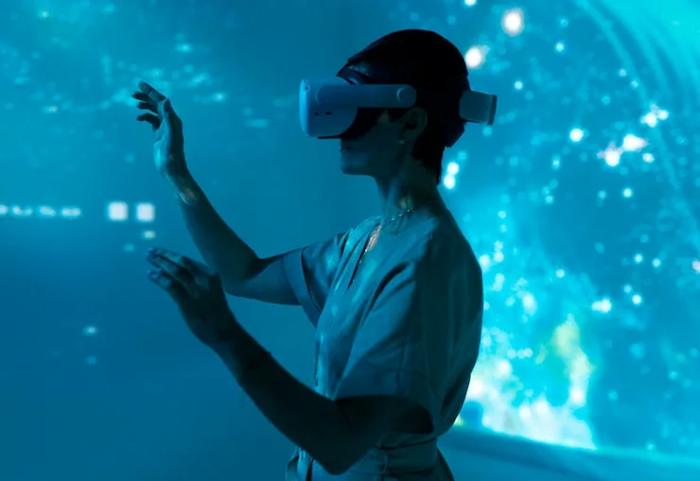
The virtual reality market has moved beyond niche entertainment for enthusiasts; VR headsets have become tools that are transforming gaming habits and shaping new content consumption patterns. For entrepreneurs, this signals the emergence of entire ecosystems—ranging from gaming centers and development studios to VR event services.
VR games battlestart.com combine a sense of presence, competitive excitement, and social interaction, thereby boosting audience engagement and the willingness to pay for experiences. While revenue was once driven primarily by individual game sales, subscription models, in-game purchases, events, and B2B partnerships are increasingly proving to be the winning strategies today.
Building a Business Around VR Games: Strategy and Steps
A successful VR venture begins not with purchasing headsets, but with selecting the right format: the dynamics of the home market and B2C sales differ significantly from those of a VR arena in a shopping mall. It is crucial to define your target audience, customer acquisition channels, and the specific value for which customers are willing to pay on a recurring basis.
Choosing a Niche and Product
When starting out, it is helpful to assess the specific demand in your city and location—whether for family entertainment, esports tournaments, immersive escape rooms, or short, 10-minute VR attractions.
The shorter the customer’s journey to realizing the value, the higher the conversion rate to a paid booking.
Find more information about VR headsets on the website.
Operations: hardware, content, and safety
- Hardware: beyond VR headsets, consider PCs/consoles, controllers, tracking systems, consumables, and spare parts.
- Content: prioritize “intuitive” games with quick onboarding and short session times; introduce new titles on a regular schedule.
- Safety: movement zones, safety briefings, user monitoring, and hygiene/disinfection protocols are mandatory.
- Staff: the administrator must act as both an operator and a “guide”—repeat visits depend on the quality of their service.
Marketing and sales: what works best
VR sells easily through demonstration. The most powerful trigger is seeing the emotions of others. That is why short videos, open days, tournaments, and partnerships with children’s centers, movie theaters, fitness clubs, or coworking spaces are so effective.
A virtual gaming business succeeds when VR headsets are not just “gadgets on a shelf” but part of a well-structured service offering: convenient booking, high-quality assistance, regular events, and an up-to-date entertainment catalog. The more precisely you package the experience into a product, the easier it is to scale the project—whether through new locations, franchising, or developing your own content lineup.
Summary and Next Steps
To ensure the project doesn’t rely on random foot traffic, it is crucial from day one to build a funnel for repeat visits and corporate sales, establish quality standards (service, hygiene, safety), and track key metrics—making decisions based on data rather than gut feeling.
A quick practical roadmap: what to do after reading this article
- Define your model: VR arena/club, mobile setups, corporate events, or a hybrid approach.
- Draft a financial plan: session cost, profit margins, break-even point, and a capacity plan based on the day of the week.
- Assemble the essentials: reliable VR headsets, spare consumables, a booking system, and operational protocols for staff.
- Create your product lineup: 3–5 “hits” for beginners plus specific scenarios for birthdays, teams, and corporate events.
- Launch marketing: map listings and aggregators, local advertising, partnerships (cafes, escape rooms, schools), social media, and a referral program.
- Set up repeat sales: memberships, a club system, family packages, seasonal offers, and corporate contracts.
- Fine-tune operations: checklists, safety protocols, staff training, quality control, and an equipment maintenance schedule.
- Grow via KPIs: capacity utilization, average ticket size, repeat customer rate, CAC/ROMI, lead-to-booking conversion, and NPS/ratings.
- Main focus: turning a one-time… …transforming the “attraction” into a regular customer habit and a predictable booking schedule.
- Key growth driver: the corporate segment and events (birthdays, team-building activities), which ensure high utilization and a higher average transaction value.
- Main risk: a drop in quality (service, hygiene, equipment condition), which quickly destroys reviews and repeat visits.
Bottom line: VR headsets are merely a tool; the business itself is built on the product, operational standards, and the sales system. If you are prepared to crunch the numbers, maintain quality standards, and consistently expand your customer acquisition channels, you can launch in stages and scale up without chaos.