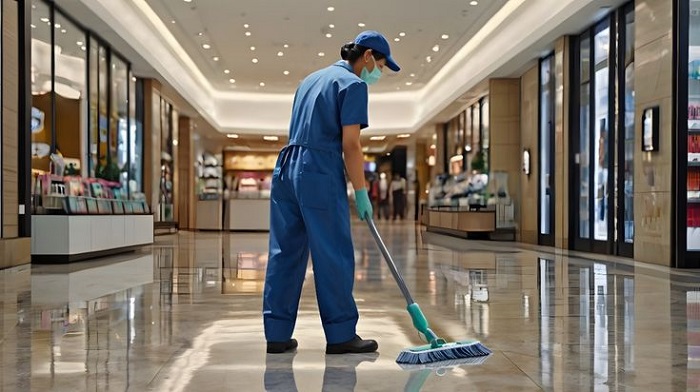
Cleaning is an essential part of maintaining any space, but not all cleaning is the same. While residential and commercial cleaning may seem similar on the surface, they differ significantly in scope, methods, equipment, and expectations. Understanding these differences can help homeowners, business owners, and property managers choose the right type of cleaning service for their needs.
Whether you’re managing a household or running a business, knowing how these two services compare ensures cleanliness, hygiene, and efficiency at the right level.
What Is Residential Cleaning?
Residential cleaning focuses on private living spaces. These include houses, apartments, condos, and other personal residences. The goal is to create a clean, comfortable, and healthy environment for daily living.
Common Residential Cleaning Tasks
Residential cleaning typically includes:
- Dusting furniture, shelves, and décor
- Vacuuming carpets and rugs
- Mopping floors
- Cleaning bathrooms (toilets, sinks, showers)
- Wiping kitchen surfaces and appliances
- Making beds and tidying rooms
Some services also offer deep cleaning options such as:
- Oven and refrigerator cleaning
- Mattress and upholstery cleaning
- Window and balcony cleaning
Because residential cleaning occurs in personal spaces, it often requires extra attention to detail and respect for homeowners’ belongings.
What Is Commercial Cleaning?
Commercial cleaning is designed for business and public environments. These spaces experience higher foot traffic, stricter hygiene standards, and often require specialized cleaning procedures.
Commercial spaces include:
- Offices and corporate buildings
- Retail shops and malls
- Restaurants and cafés
- Medical clinics and hospitals
- Schools and childcare centers
- Warehouses and industrial facilities
Unlike residential cleaning, commercial cleaning is focused on maintaining professional standards, safety, and compliance, rather than personal comfort alone.
Professional commercial cleaning services are tailored to meet the unique needs of each business type and industry.
Key Differences Between Residential and Commercial Cleaning
Let’s break down the main differences that set these two services apart.
1. Scale and Size of the Space
One of the most obvious differences is scale.
- Residential cleaning deals with smaller spaces and fewer rooms.
- Commercial cleaning often involves large floor plans, multiple rooms, shared facilities, and sometimes entire buildings.
Commercial cleaners are trained to clean efficiently across large areas without disrupting business operations, often working outside normal business hours.
2. Frequency of Cleaning
Cleaning frequency varies greatly between residential and commercial spaces.
- Residential cleaning is usually scheduled weekly, bi-weekly, or monthly.
- Commercial cleaning may happen daily, nightly, or several times a week depending on traffic and industry requirements.
For example, offices may require daily cleaning, while medical facilities need constant sanitation to meet health regulations.
3. Equipment and Cleaning Products
Residential cleaning typically uses:
- Household vacuums
- Mild cleaning products
- Standard mops and cloths
Commercial cleaning, on the other hand, often requires:
- Industrial-grade vacuums and floor scrubbers
- Commercial disinfectants
- Specialized tools for carpets, tiles, and high surfaces
These stronger tools and chemicals are necessary to handle heavy use and meet sanitation standards in business settings.
4. Health and Safety Standards
Commercial spaces must often comply with industry regulations and health guidelines, especially in sectors like healthcare, food service, and education.
- Residential cleaning focuses on comfort and general hygiene.
- Commercial cleaning prioritizes infection control, sanitation, and workplace safety.
Professional cleaners follow protocols to reduce the spread of germs, bacteria, and viruses in shared spaces, protecting both employees and visitors.
5. Customization and Scope of Work
Residential cleaning usually follows a fairly standard checklist, customized slightly based on homeowner preferences.
Commercial cleaning is far more customized. Services are designed based on:
- Type of business
- Number of employees or customers
- Operating hours
- Industry regulations
For instance, retail stores focus on floors and displays, while offices require workstation and meeting room sanitation.
A reputable commercial cleaning provider will assess the space and build a cleaning plan that fits operational needs without disrupting workflow.
6. Cleaning Staff Training
Residential cleaners are trained to work in personal environments with care and attention to detail.
Commercial cleaners receive additional training in:
- Equipment operation
- Safety procedures
- Use of industrial chemicals
- Compliance with workplace regulations
This ensures they can safely and effectively manage larger spaces and higher-risk environments.
7. Privacy and Security Considerations
In residential cleaning, privacy revolves around personal belongings and family spaces. Trust and discretion are essential.
In commercial cleaning, security is often more complex:
- Access to offices after hours
- Handling sensitive documents or equipment
- Following company security protocols
Professional commercial cleaners are trained to maintain confidentiality and adhere to strict security guidelines.
Which One Is Right for You?
The choice between residential and commercial cleaning depends entirely on the type of space and its purpose.
Choose Residential Cleaning If:
- You want help maintaining a private home
- You need occasional deep cleaning
- Comfort and detail are your priorities
Choose Commercial Cleaning If:
- You manage or own a business
- Your space has high foot traffic
- Hygiene, safety, and professional appearance matter
- You need regular and reliable cleaning services
Trying to apply residential cleaning methods to a commercial space often leads to inefficiency and inconsistent results.
Why Professional Cleaning Matters in Both Settings
While DIY cleaning may work occasionally, professional services deliver consistent results that are hard to replicate without time, tools, and training.
Benefits of professional cleaning include:
- Improved hygiene and air quality
- Reduced allergens and bacteria
- Extended lifespan of furniture, flooring, and equipment
- A cleaner, more welcoming environment
In commercial environments, cleanliness also directly affects:
- Employee productivity
- Customer impressions
- Brand reputation
Final Thoughts
Although residential and commercial cleaning share the same goal—clean, healthy spaces—their approach, scale, and expectations are entirely different. Residential cleaning focuses on personal comfort and detail, while commercial cleaning emphasizes efficiency, safety, and compliance.
Understanding these differences helps you choose the right service and ensures your space is cleaned properly, professionally, and consistently. Whether it’s a cozy home or a bustling office, the right cleaning solution makes all the difference.