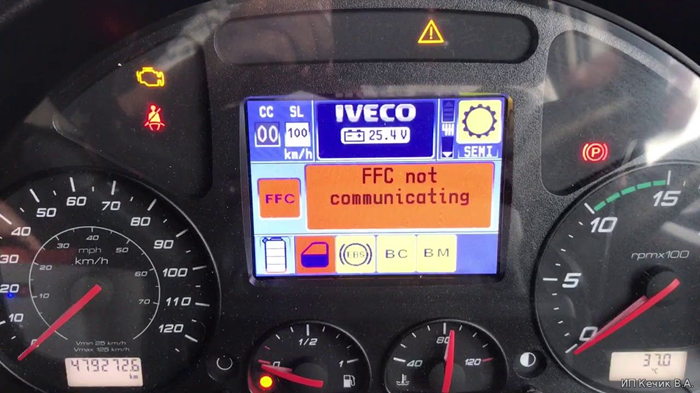
Iveco vehicle errors are a common problem encountered by owners and mechanics during operation and repair. These malfunctions can range from minor glitches to serious breakdowns, impacting the safety and durability of the vehicle.
This article provides a detailed discussion of the types of errors, their causes, and troubleshooting methods, as well as diagnostic features. For a more complete understanding of specific situations, we recommend reading the information on our manualmachine.com, where you can find more information about Iveco LA ET-TN-440-24 errors.
Typical Iveco Vehicle Malfunctions: An Overview of the Most Common Errors
Iveco vehicles are widely used in both freight transportation and special-purpose vehicles due to their reliability and high performance. However, despite the robust design, certain faults may develop over time in this vehicle, requiring prompt identification and repair.
Below, we’ll discuss the most common faults and their causes to help owners and technicians better understand potential issues and speed up the diagnostic process.
Main faults and their causes
Common faults in Iveco vehicles include problems with the engine, cooling, and braking systems. For example, engine overheating, caused by a faulty radiator or coolant pump, is common, and can lead to serious damage.
Fuel injection problems are also a common problem. These are often caused by dirty injectors or malfunctioning sensors, which can cause rough running or poor starting. Malfunctions in vehicle electronics are also common and can lead to malfunctions of various components and systems.
Mechanical Damage and Component Wear
The most common mechanical failures are those related to component wear. For example, oil leaks due to worn seals or cracks in the oil seals of their components. Suspension components or brake pads can also be damaged as a result of intensive use.
Timely diagnosis of clutch wear is equally important, especially in trucks. Poor or premature wear can lead to costly repairs and equipment downtime. Furthermore, due to improper operation or lack of regular maintenance, Iveco vehicles often experience electrical system problems, including failure of sensors, bumpers, and other electronic components.
Brake Wear: Signs, Prevention, and Repair Details
Proper preventive maintenance includes regular maintenance, the use of genuine spare parts, and adherence to the manufacturer’s recommendations. Timely replacement of worn components is especially important, as it helps extend the life of the brake system and maintain driving safety.
Signs of Wear and Repair Considerations
The main signs of brake wear include increased braking distance, squealing, vibration, and a burning smell, along with decreased braking efficiency. Also note changes in brake fluid levels and possible leaks in the system.
If signs of wear are detected, it is recommended to have repairs carried out at a specialized service center that uses genuine spare parts and modern tools. Repairs often require replacing brake pads and discs, or bleeding the brake system. Proper maintenance and high-quality spare parts help prevent recurring problems and ensure reliable brake operation in the future.
Transmission Problems on Iveco Models: Types, Symptoms, and Troubleshooting Methods
These problems are often caused by component wear or damage, improper operation, or untimely maintenance. It is important to promptly identify signs of malfunction and apply appropriate repair methods to prevent potential serious damage and extend the life of the transmission.
In general, transmission problems on Iveco models require a careful approach and professional repair. Regular maintenance, component monitoring, and timely diagnostics minimize the risk of malfunctions and maintain optimal transmission performance.
Correctly identifying the causes of failures and performing qualified repairs not only ensures safe and comfortable operation but also significantly reduces operating costs, which is especially important for commercial vehicles.