


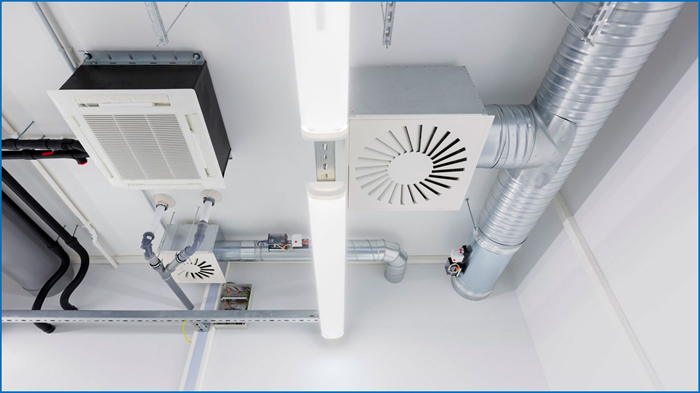
Modern homes depend heavily on heating and cooling to stay comfortable throughout the year. When everything works quietly in the background, it’s easy to forget how complex these systems actually are.
Over time, dust, temperature changes, and daily use all affect performance. That’s why many homeowners choose an hvac maintenance program as a structured way to keep systems running smoothly and predictably.
What regular maintenance actually involves
At its core, routine care is about prevention rather than repair. Systems are checked, cleaned, and adjusted before small issues turn into noticeable problems. Filters are inspected, moving parts are examined, and airflow is evaluated to ensure nothing is being restricted. These steps may sound simple, but together they help the system operate as it was designed to.
Regular attention also helps spot early signs of wear. A loose connection, unusual noise, or slight drop in efficiency can be addressed long before comfort is affected. When maintenance follows a clear schedule, these checks don’t feel random or rushed. This is where an hvac maintenance program brings structure and consistency instead of guesswork.
How maintenance affects comfort and efficiency
Comfort isn’t just about temperature on the thermostat. It’s about even airflow, stable humidity, and how quickly a space reaches the desired setting. When a system is clean and properly adjusted, it doesn’t have to work as hard to maintain balance. That often results in quieter operation and fewer sudden temperature swings.
Efficiency is closely tied to this balance. Dust buildup or neglected components force the system to use more energy to achieve the same result. Over time, that extra strain adds up. A well-maintained system tends to respond faster and cycle more smoothly, which is one reason people often notice steadier comfort after following an hvac maintenance program for a while.
Long-term impact on system lifespan
Heating and cooling equipment is built to last, but only when it’s treated with care. Constant strain from clogged filters or unchecked wear shortens the life of key components. Maintenance helps reduce that stress by keeping parts clean and properly aligned.
Over the years, this approach can make a noticeable difference. Systems that receive regular attention often avoid the sudden breakdowns that seem to happen at the worst possible time. Instead of reacting to problems, homeowners stay a step ahead, allowing the equipment to age gradually rather than abruptly.
Why consistency matters more than timing
Many people think maintenance only matters right before extreme weather arrives. While seasonal checkups are helpful, consistency throughout the year is what truly protects the system. Regular intervals create a clear history of how the equipment performs over time. Patterns become easier to spot, and changes don’t go unnoticed.
This steady approach removes a lot of uncertainty. Instead of wondering when something might go wrong, there’s confidence in knowing the system is being monitored. An hvac maintenance program supports that mindset by turning care into a routine rather than a reaction.
Final thoughts
Heating and cooling systems quietly shape everyday comfort, even when they’re out of sight. Giving them regular attention helps maintain efficiency, reliability, and a stable indoor environment. By following an hvac maintenance program, homeowners create a simple habit that supports long-term performance and fewer surprises. In the end, consistent care isn’t about fixing problems — it’s about making sure they never have the chance to start.