


Square vs Round Skincare Bottles should be selected as a complete packaging system, not as a single isolated part. The body material, cap or pump, applicator, seal, decoration, carton, and filling method all influence how the finished skincare bottle package performs. The right choice supports shelf presentation, grip, packing efficiency, and brand style while still fitting the formula, target price, and brand position.
Start with the formula and the way the customer will use it. A lotion, cream, serum, sunscreen, cleanser, foundation, or concealer can require very different dispensing behavior. Buyers should define viscosity, fill volume, key ingredients, storage conditions, target shelf life, sales channel, and how often the package will be opened or pressed.
Format Options and Use Cases
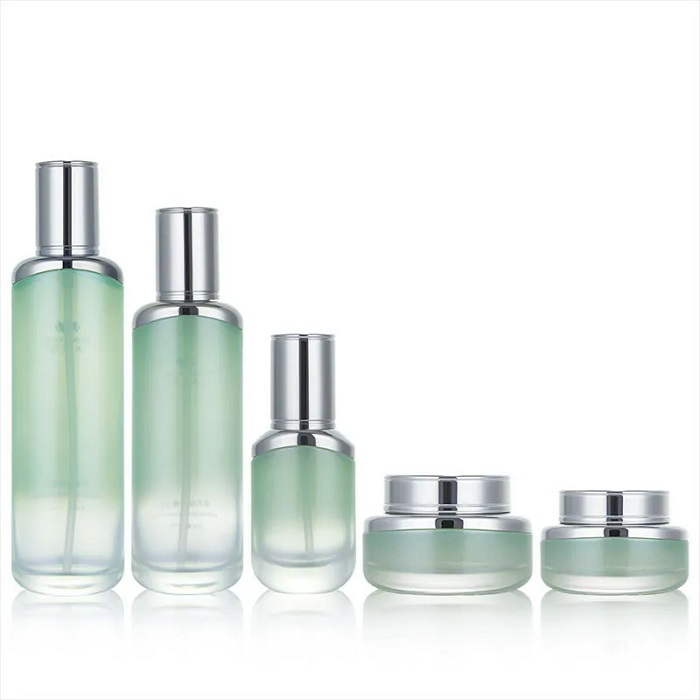
Common choices for this brief include square bottles, round bottles, oval bottles, pump bottles, screw caps, and label-ready surfaces. These options may look similar in a catalog, but they behave differently in hand. A pump can make dosing feel controlled, a flip-top cap can improve daily convenience, a screw cap can support a cleaner premium look, and an applicator tip can turn the package into part of the application routine.
For buyers comparing supplier options, reviewing skincare bottles can help connect the skincare bottle concept with real packaging families, cap choices, decoration methods, and quotation requirements. Use the linked page as a reference point, then confirm drawings, samples, and final specifications before approving production.
Materials and Performance
Material selection should follow function. PET can provide clarity and a rigid shelf look, PE can offer flexibility and squeeze performance, and HDPE can support durable opaque packaging. Tube structures may use PE or laminate layers, while applicator assemblies may combine plastic, metal, sponge, flocking, or roller components. Each material should be reviewed against the actual formula.
The main benefit of a well-matched package is predictable consumer use. Good packaging dispenses the right amount, stays clean around the opening, resists leakage, feels appropriate for the price point, and gives designers enough space for branding and required text. Poor packaging may look acceptable when empty but fail after filling, shipping, or repeated use.
Specification Checklist
A complete specification should include capacity, dimensions, material, wall feel, closure type, applicator detail, color standard, artwork process, and packing method. For this topic, pay special attention to label fit, corner strength, filling stability, carton efficiency, and consumer handling. These details should be settled before tooling, decoration setup, or bulk component orders begin.
- Confirm formula viscosity, fill volume, storage conditions, and application method.
- Choose body material, cap, pump, or applicator around actual user behavior.
- Request plain, filled, and decorated samples before mass production.
- Document approved colors, dimensions, artwork, packing, and inspection standards.
Sampling and Quality Control
Sampling should move in stages. Plain structural samples help confirm size, grip, cap fit, and dispensing feel. Filled samples reveal leakage, staining, odor transfer, flow behavior, and product residue. Decorated samples show whether the final artwork, varnish, metallic effect, label, or color match works on the real package.
Quality control should cover more than surface appearance. The supplier should inspect dimensions, sealing, cap torque, pump response, applicator assembly, print registration, scratches, color consistency, carton protection, and random samples from bulk production. For ecommerce, travel, or premium retail, transport handling and shelf presentation deserve extra attention.
Final Recommendation
The safest approach is to define the user experience first, then choose the structure and supplier process that can deliver it consistently. With clear drawings, approved physical samples, compatibility testing, and documented QC standards, square vs round skincare bottles can move from packaging idea to reliable commercial product with fewer surprises.